When Fashion Enters the Locker Room: Tommy Hilfiger’s Move into Football Culture
luxury sports ecosystem strategy for elite brands
 RV
RVWhen Fashion Enters the Locker Room: Tommy Hilfiger’s Move into Football Culture
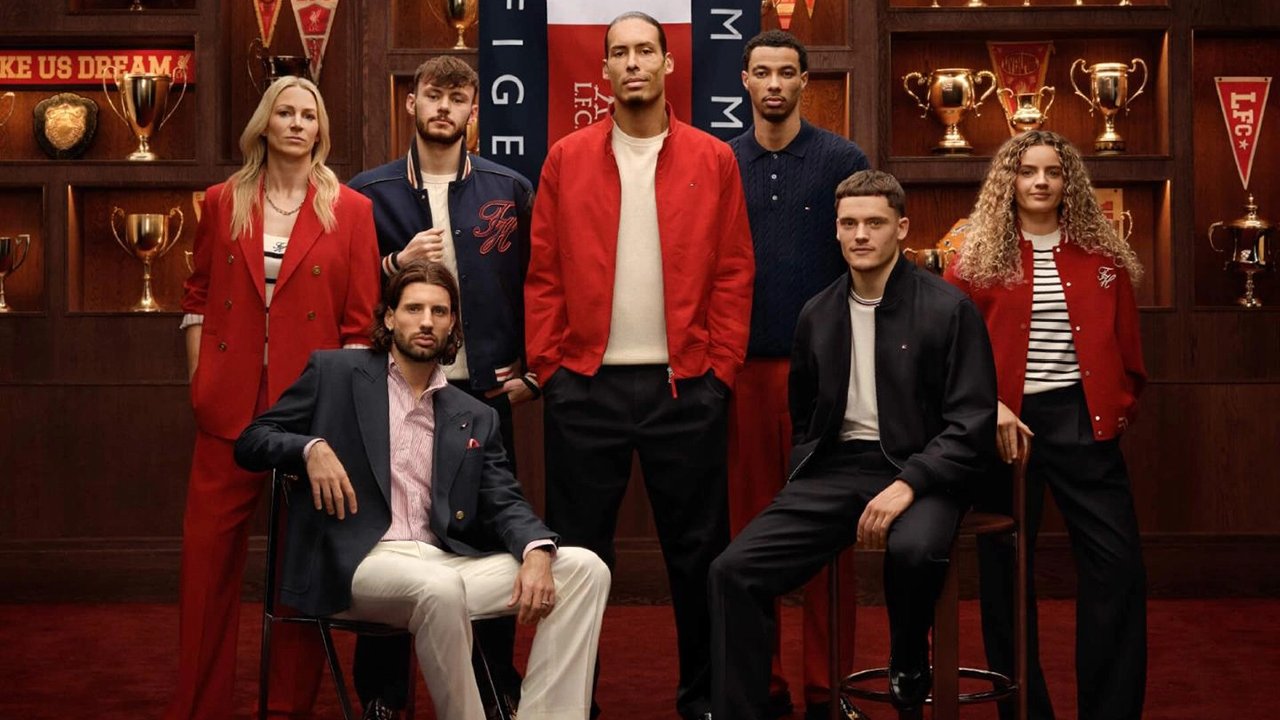
Luxury and lifestyle brands are continuing their march into the world of professional sport. The latest headline-making example comes from Tommy Hilfiger, which has signed a landmark deal to dress Liverpool FC’s players on matchdays.
According to De Tijd (Belgium, Jan 2026), CEO Stefan Larsson—the Swedish-American executive leading parent company PVH Corp—announced the collaboration just days before Liverpool’s Premier League clash with Arsenal. It is the brand’s first major football sponsorship in more than 20 years and signals a bold repositioning of Tommy Hilfiger within sport, lifestyle, and cultural storytelling.
A symbolic return to the pitch
Liverpool stars Virgil van Dijk, Florian Wirtz, and Dominik Szoboszlai will now wear tailored Hilfiger looks when arriving at or leaving the stadium. It is more than a fashion partnership—it is a brand statement. For Hilfiger, the collaboration marks a renewed focus on connecting with global audiences through sport and entertainment rather than traditional runway marketing.
“Fans can experience a piece of the princely life of athletes and entertainers by wearing what their idols wear or find beautiful,” De Tijd quoted. The emotional pull of association remains one of luxury’s most powerful drivers.
A veteran of modern fashion strategy
Larsson, who became CEO of PVH Corp in 2021 after senior roles at Ralph Lauren, Old Navy, and H&M, is reshaping the group’s approach. PVH—home to both Tommy Hilfiger and Calvin Klein—generated US $ 6.45 billion in revenue and US $ 184 million in net profit during the first nine months of its current fiscal year. Roughly half of those sales come from Europe, a market that increasingly rewards brand storytelling over mere visibility.
The strategic intent is clear: grow by connecting fashion, sport, and entertainment. Besides Liverpool, Tommy Hilfiger is now title sponsor of the new Cadillac Formula One team and official clothing partner of US SailGP—a professional sailing league popular among affluent U.S. audiences who vacation in the Hamptons.
Lifestyle as currency
The logic behind such partnerships is straightforward. In a saturated market, brands no longer just sell clothing—they sell lifestyle. Aligning with sport allows fashion houses to speak the language of ambition, teamwork, and emotion.
Kylian Mbappé’s role as the face of Dior under new creative director Jonathan Anderson underscores the trend. Fashion and luxury brands are becoming increasingly active in dressing athletes off the field, recognising them as cultural ambassadors rather than advertising vehicles.
As Larsson’s strategy shows, the border between sport and style is blurring faster than ever. When performance meets prestige, brands unlock something more enduring than exposure—they gain relevance.
Sources
- De Tijd, “Stefan Larsson, Zweedse CEO van Tommy Hilfiger gaat Liverpool-spelers kleden,” 8 Jan 2026.
- PVH Corp Investor Relations Report 2025 (Q3).
- Reuters (2025), “Tommy Hilfiger expands into sports with Liverpool FC deal.”
- Vogue Business (2025), “Fashion brands turn to sports as the new runway.”
#LuxuryStrategy, #SportsMarketing, #BrandIntegration, #LVMH, #FormulaOne, #AthleteBranding, #LuxuryBrands, #CulturalRelevance, #ElitePartnerships, #SportsBusiness